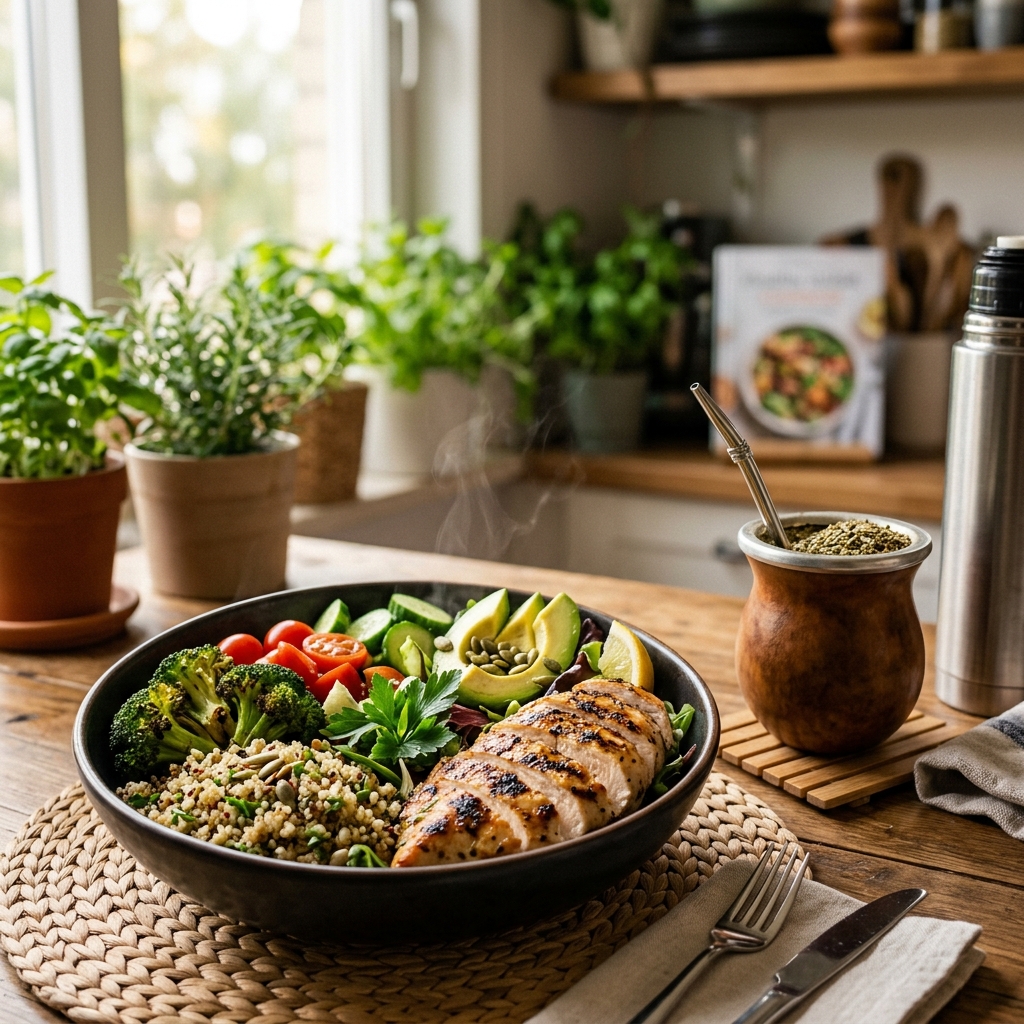
The word "diet" is often associated with extreme restrictions or eating exclusive and very expensive products: wild-caught salmon, imported almond milk, or avocado toast every single day. But the reality is that to be in shape, lose fat, or gain muscle mass, you don't need to max out your credit card.
You can achieve incredible results by shopping smart at your local farmers market, the neighborhood butcher, and grocery stores, taking advantage of local and seasonal food sources.
The myth of "Fit" products and marketing
You don't need to spend fortunes on packaged protein bars, magic supplements, or "light cookies" that are actually full of hidden sugars. The absolute foundation of your diet (80%) should come from real, single-ingredient food. The key to success lies in the balance of the three macronutrients: proteins, complex carbohydrates, and healthy fats.
Budget-friendly options to hit your Macros
🥩 Proteins (The foundation of muscle)
Protein is essential to repair the tissues you break down in the gym. The most accessible options are:
- Eggs: The ultimate superfood and the best quality/price protein on the market. Buying a whole carton saves your meals and goes a long way.
- Chicken (breast or skinless thighs): Classic and foolproof. If you buy the whole chicken and cut it up yourself or ask the butcher to do it, the price per pound drops drastically.
- Economical beef cuts: Chuck roast or shoulder. Ask them to remove visible fat and grind it to make 100% beef homemade burgers.
- Canned tuna and mackerel: Canned seafood protein, perfect for quick no-cook salads.
- Lentils, beans, and chickpeas: Extremely cheap plant protein. Ideal for mixing with rice to form a complete protein in stews, salads, or veggie burgers.
🍚 Carbohydrates (Your fuel)
Please, do not be afraid of carbohydrates. If you are going to lift weights or take intense classes, you need them for energy.
- Oats: Buy them in bulk. Ideal for breakfast, smoothies, pancakes, or as a breading substitute.
- Brown Rice and Whole Wheat Pasta: Super filling and budget-friendly all year round.
- Potatoes and Sweet Potatoes: Two local treasures. Baked or boiled, they are a clean and cheap energy source.
- Pumpkin and seasonal squash: Nutritious, very low in calories, add volume to your meals, and are very cheap when in season.
🥑 Healthy Fats (Hormones and satiety)
Fats do not make you fat if you control the portions. They are vital for female hormonal health.
- Peanuts and peanut butter: An excellent alternative to walnuts or almonds which are usually more expensive. Peanut butter (only roasted peanuts, no sugar) is great for spreading.
- Extra virgin olive oil: Use it raw to dress salads.
- Olives: A perfect and affordable salty snack.
- Seeds: Chia and flax seeds bought in bulk. They are a great source of Omega-3.
Meal Prep: Cook once, eat all week
The worst enemy of your diet and your wallet is coming home tired from work and ordering takeout. Meal Prep or "Batch Cooking" is your solution. Dedicate 2 hours of your Sunday to boiling a dozen eggs, cooking 2 cups of brown rice, roasting vegetables in the oven, and leaving filleted chicken breasts in containers. When you are hungry, you will only have to assemble the plate by combining these elements.
Quick, cheap, and nutritious snacks
Forget about the kiosk candy bar. Opt for:
- Homemade popcorn: Made in a pot with a minimum of oil and no sugar. It is pure volume and very low in calories.
- Seasonal fruit: Bananas, apples, oranges. Whatever is cheap at the produce stand.
- Hard-boiled eggs: Boil them and keep them in the fridge ready to peel and eat.
The role of hydration
Staying hydrated is crucial for fat loss and muscle recovery. While coffee and herbal teas are great (especially if you skip the sugar and use natural sweeteners or drink them black), they do not replace pure water. Make sure to drink at least 2 liters (about 8 glasses) of water a day, especially during your gym workout.